
Condensation vs Rising Damp – What Causes Mould?
- jstepanovic0
- May 14
- 2 min read
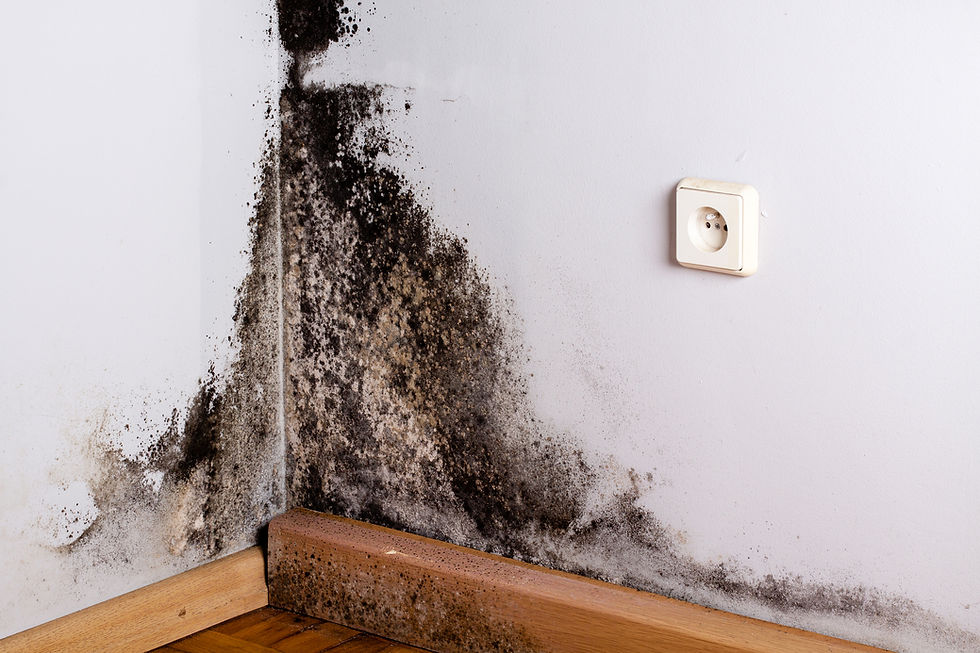
When mould appears inside a home, people often assume the property has a serious damp problem. In reality, the cause is frequently much simpler.
Most mould issues in UK homes are caused by condensation, not rising damp.
Understanding the difference can help you choose the right solution.

What is Condensation?
Condensation happens when warm, moist air meets a cold surface.
This is common in homes where:
showers create steam
cooking releases moisture
clothes are dried indoors
ventilation is limited
When this moisture settles on walls, ceilings, or windows, it creates the perfect environment for mould to grow.
Condensation mould often appears:
in corners of rooms
behind furniture
around windows
on bathroom ceilings
What is Rising Damp?
Rising damp is much less common and usually occurs when moisture travels up through walls from the ground.
Signs of rising damp may include:
tide marks on lower walls
crumbling plaster
peeling paint near floor level
Unlike condensation mould, rising damp usually requires structural treatment.
Why Condensation Causes So Much Mould
Modern homes are often well insulated and sealed to retain heat. While this improves energy efficiency, it can also reduce natural airflow.
Without ventilation, moisture becomes trapped indoors and condensation increases.
Over time this repeated moisture allows mould to develop.
Treating Mould the Right Way
Traditional mould cleaners usually rely on bleach. While they may remove the visible staining, they often don’t prevent mould from returning.
A biological treatment works differently.
Instead of simply cleaning the surface, it introduces live microorganisms that naturally feed on mould. These microorganisms continue living on the treated area and help stop new mould from forming.
Once applied, they can remain active on the surface for up to five years, offering long-term protection.
Because these microorganisms are used in other everyday products such as mouthwash, they are safe for use around people and pets.
Preventing Condensation Mould
To reduce condensation in your home:
improve ventilation
open windows regularly
use extractor fans when cooking or showering
keep furniture slightly away from cold walls
Combined with the right mould treatment, a biological black mould remover such as Hungry Mould Eater, these steps can significantly reduce future mould problems.

Comments