
Why Mould Keeps Coming Back in Bathrooms
- jstepanovic0
- May 14
- 2 min read
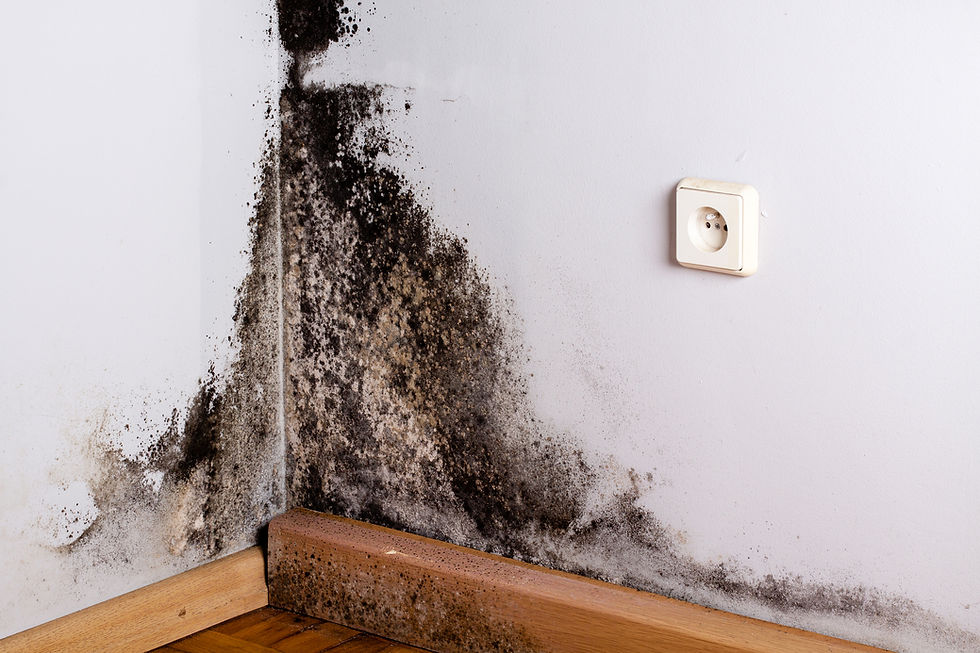
If you’ve ever cleaned mould in your bathroom only to see it return a few weeks later, you’re not alone. Bathrooms provide the perfect environment for mould growth, which is why it often comes back even after cleaning.
Understanding why this happens is the first step to stopping it.
Bathrooms Create the Perfect Conditions for Mould
Mould thrives in three main conditions:
moisture
warmth
poor airflow
Bathrooms naturally produce all three.
Every shower releases warm steam into the room. When that warm air hits colder surfaces like tiles, ceilings, or walls, condensation forms. This moisture creates the perfect surface for mould to grow.
Traditional Cleaners Often Only Remove the Stain
Many household mould cleaners use bleach.
Bleach can make mould disappear visually, but it often only removes the surface staining. The microscopic roots of the mould can remain embedded in the surface.
Because the moisture conditions in bathrooms remain the same, the mould quickly returns.
A Biological Approach to Mould Control
An alternative solution uses live microorganisms that feed on mould.
These microorganisms break down the mould naturally and continue living on the treated surface. This means they remain active and help prevent new mould from forming.
Once applied, they can stay on the WALL or CEILING for one to five years, creating ongoing protection.
Because these microorganisms are used in many everyday applications, including oral hygiene products like mouthwash, they are safe for use in homes with people and pets.
Important Note:
The Hungry Mould Eater is for Walls and Ceilings. While applying it on grout would not hurt anything, it cannot be guaranteed ideal results because it could get washed off while showering. Therefore our advice for bathrooms is to properly treat walls and ceilings with the Hungry Mould Eater. This will prevent mould forming on walls and ceilings and mould growth in the bathroom will be vastly eliminated. However, if there will be mould growth arould the silicone caulking or grouting, these may have to be removed with conventional cleaning products.
Improving Bathroom Ventilation
Alongside treatment, improving airflow can make a big difference.
Helpful steps include:
using an extractor fan during and after showers
opening windows when possible
wiping excess condensation from tiles and mirrors
leaving the bathroom door open after showering
These steps help reduce the moisture that mould needs to grow.
Breaking the Cycle of Reappearing Mould
The key to stopping bathroom mould is addressing both the cause and the treatment.
Instead of simply cleaning visible stains, using a solution that actively removes mould and continues protecting the surface can help break the cycle of mould constantly returning. Using a biological black mould remover such as Hungry Mould Eater can help eliminate mould and prevent it from returning.

Comments